
In most countries the pavement loses its properties within just 1–2 years of handover.
Every year this means hundreds of millions in budget spending on repairs, traffic closures, delays in logistics and lower efficiency of investment in the road network.

Completed using Veleton polymer solutions
Unstable bitumen quality and non-compliance with standards
Sharp temperature swings from –45 °C to +60 °C, which accelerate ageing of the pavement
Excessive axle loads from heavy goods traffic
Difficulty and unstable results of bitumen modification
Insufficient control over mix designs and method statements
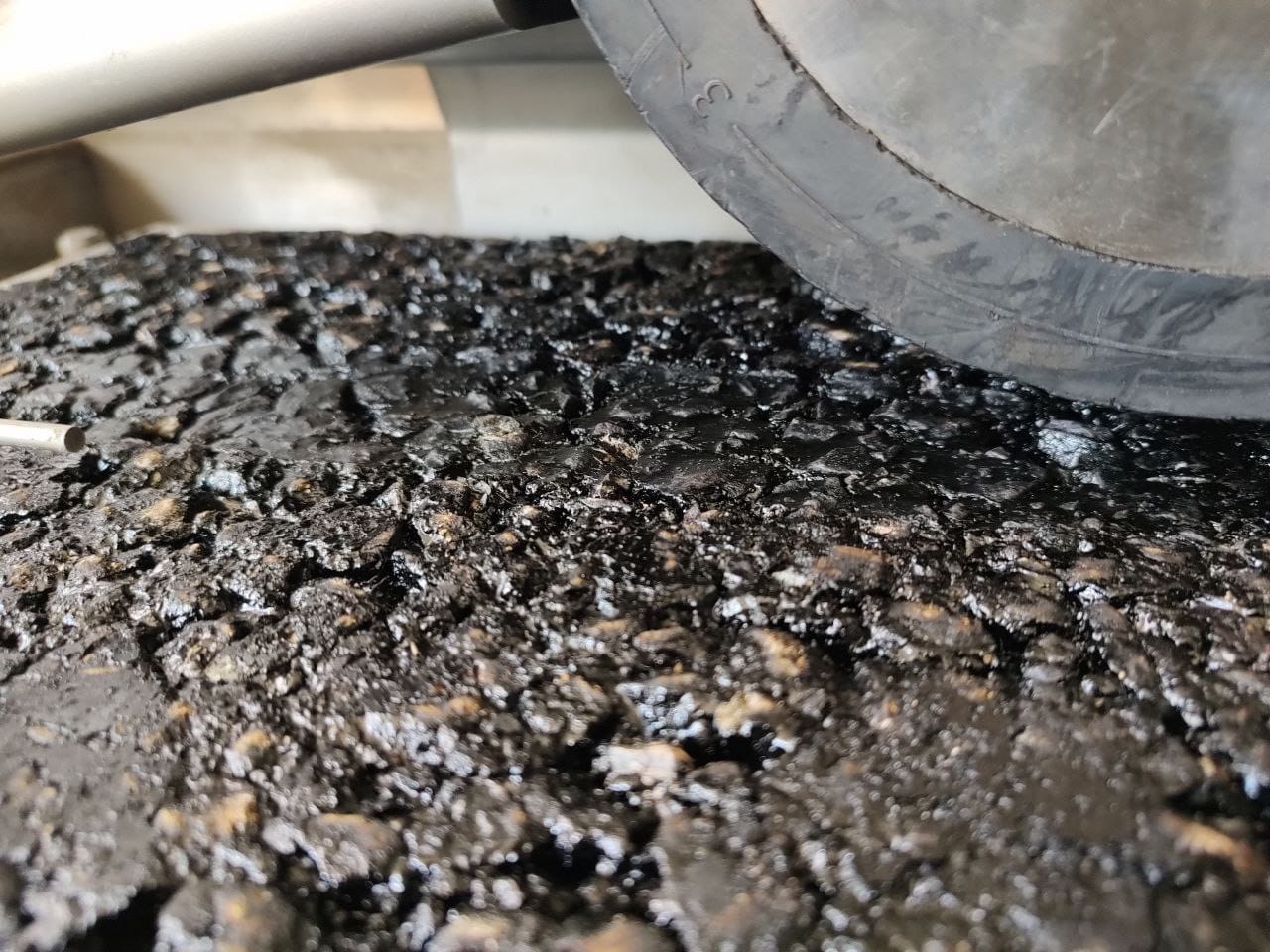
We implement polymer solutions adapted to the specific climate, bitumen type and production process, delivering consistent pavement quality whatever the conditions.
Veleton does not simply supply an additive: we integrate the technology into the client's process. Our specialists carry out the audit, the mix design selection, on-site technical support and production control at Veleton's expense
The result is verified in practice: roads last 3–4 times longer, rutting resistance reaches ≤1.5 mm over 20,000 passes (with an international limit of no more than 3.0 mm), and budgets can go to developing new routes rather than to repairs.
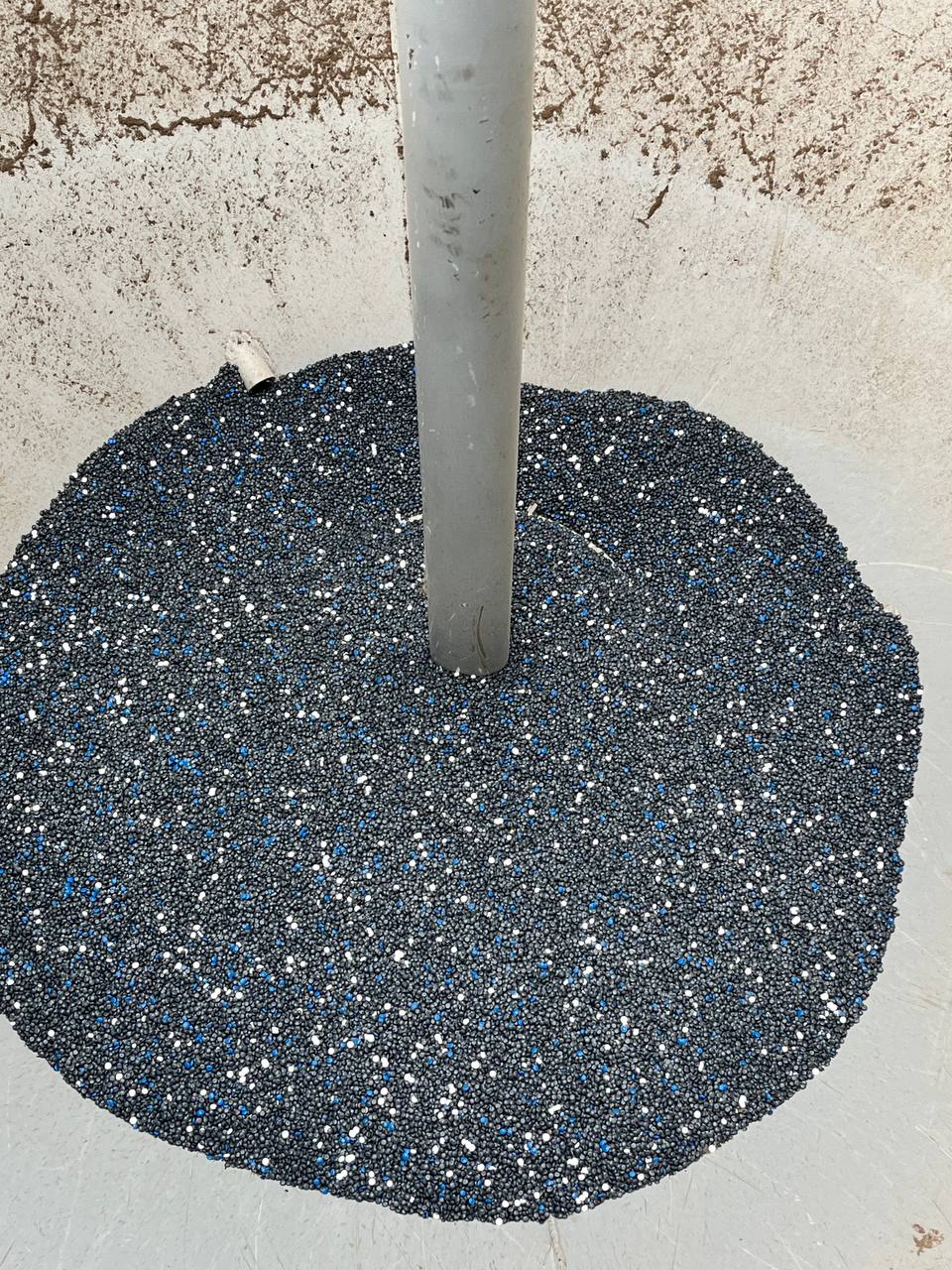
The problem
The asphalt mixture remains the weakest link in the road construction chain.
Because the pavement reaches high temperatures (up to 73-75 %) and there is no stable mix design, it often loses strength within just 1–2 seasons.
This leads to:
Rapid formation of rutting, potholes and cracks.
Reduced traffic capacity of highways and streets.
An increased likelihood of accidents on these sections.
What Veleton offers
The “dry-add” technology for the MPC polymer additive, without prior modification of the bitumen. This technology has been used in the United States and in Europe for a considerable time and has substantial advantages over conventional bitumen modification, namely:
The quality and the physical and mechanical properties of the end product, the asphalt mixture, do not depend significantly on the quality of the bitumen or on its capacity to be modified with polymers. The reason is that a “dry-add” polymer additive works with the components of the mixture, specifically with the coarse aggregate, so the asphalt mixture gains strong polymer bonds between its components, which can be pictured as a 3D polymer lattice.
Producing the asphalt mixture becomes significantly simpler, because no complex equipment for polymer modification of bitumen is required, such as a colloid mill and high-speed mixers. The producer also saves time, because the bitumen can be used immediately, without the usual 8–12 hours of modification (with additives of the SBS type).
The ability to switch quickly between producing polymer asphalt concrete and ordinary asphalt concrete by simply excluding the dosing of the MPC additive, whereas modified bitumen has to be used up to the end.
There is no need to heat the bitumen significantly (above 165–170 °C), which avoids its rapid oxidation and ageing.
Results from using the “MPC” VELETON™ additive are always predictable and calculated mathematically, depending on the type of asphalt mixture and the amount of polymer in it.
Analysis
the use of a “dry-add” additive in Ukraine between 2020 and 2024 shows the following results:
| Indicator | Without the additive | MPC dosage 2.2 kg per tonne of mixture | MPC dosage 2.5 kg per tonne of mixture |
|---|---|---|---|
| IndicatorCompressive strength R20 | Without the additive2.6 MPa | MPC dosage 2.2 kg per tonne of mixture5.8 MPa | MPC dosage 2.5 kg per tonne of mixture6.1 MPa |
| IndicatorCompressive strength R50 | Without the additive1.24 MPa | MPC dosage 2.2 kg per tonne of mixture2.05 MPa | MPC dosage 2.5 kg per tonne of mixture2.4 MPa |
| IndicatorRut depth over 20,000 passes | Without the additive7.5–8 mm | MPC dosage 2.2 kg per tonne of mixture2.3–3 mm | MPC dosage 2.5 kg per tonne of mixture1.2–1.5 mm |
Economic effect for the state and for producers (asphalt mixtures)
Implementing Veleton solutions for asphalt mixtures delivers a predictably high financial effect among road construction technologies.
Extending the service life of the road by 3–4 times is the key payback factor. Fewer repairs = lower budget spending across the whole life cycle of the road.
Reducing operational production time raises the productivity of the asphalt plant and makes it possible to produce more asphalt without additional capital investment.
ROI effect
Investment in Veleton technologies for polymer asphalt mixtures delivers 3–4× budget efficiency through lower operating costs, lower energy consumption and fewer repairs.
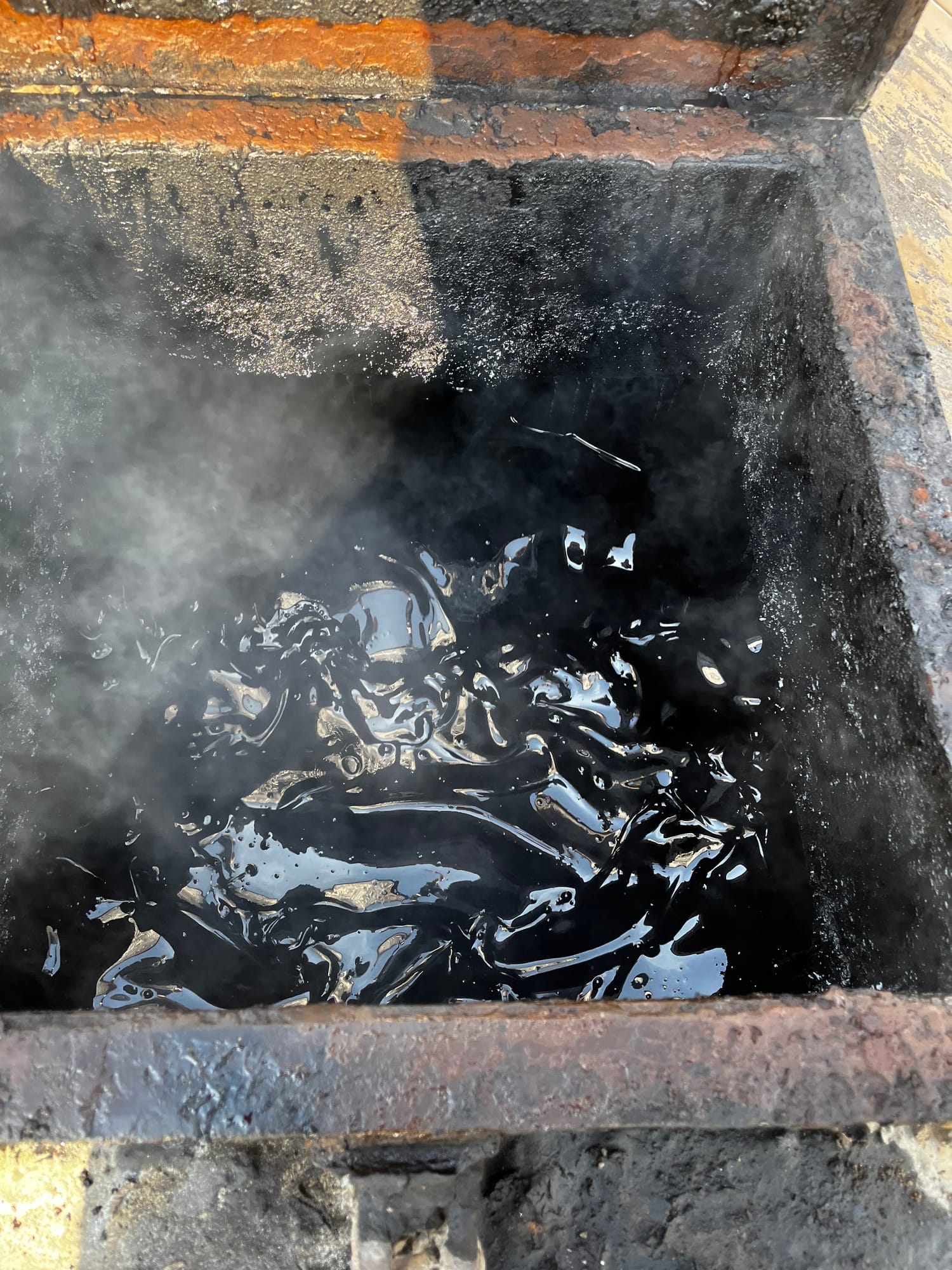
The problem
Bitumen is the heart of the pavement. In most post-Soviet countries, however, the viscosity and stability of the bitumen do not meet EN 14023: it contains excess paraffins, ages 25–40% faster and loses elasticity after the first heating cycle.
A separate problem is the use of bitumen produced by distillation, which is almost impossible to modify with polymers and becomes a major problem for asphalt plants. Conventional modification requires a colloid mill, complex equipment and 8–12 hours of homogenization.
The result: a high production cost and an unstable product.
The Veleton solution
Veleton™ polymer solutions such as AVE18, V15 and Alcetan make it possible to reach the result without a colloid mill.
Uniform dispersion of the polymer through the structure of the bitumen;
A softening point (R&B) increase of +15–30 °C;
Compressive strength (R20/R50) gains of up to +70–90%;
A 2–3 times increase in resistance to rutting.
Our solutions make it possible to reach these figures
| Indicator | Ordinary bitumen | Bitumen with Veleton |
|---|---|---|
| IndicatorSoftening point, R&B (°C) | Ordinary bitumen46–48 | Bitumen with Veleton63–70 |
| IndicatorR50, MPa | Ordinary bitumen0.8–1.0 | Bitumen with Veleton2.1–2.5 |
| IndicatorAdhesion to aggregate | Ordinary bitumen3–4 points | Bitumen with Veleton5 points |
| IndicatorAgeing resistance | Ordinary bitumenMedium | Bitumen with VeletonHigh |
Economic effect for the state and the industry
Switching to Veleton polymer solutions produces a tangible financial result in the first year of operation.
Cutting modification time from 8 hours to 1.5–2 hours means less equipment downtime and higher productivity at the asphalt plant
Through lower fuel and gas consumption and a shorter production cycle, operating costs fall by up to 30%
This directly increases the output of finished product and makes it possible to produce additional volumes of asphalt without additional capital investment
At the level of state programmes this means the same budgets deliver more kilometres of repaired or new roads
ROI effect
Every investment in Veleton technologies returns up to 3–4× the effect across the life cycle of the road, through lower spending on repairs, energy and downtime.
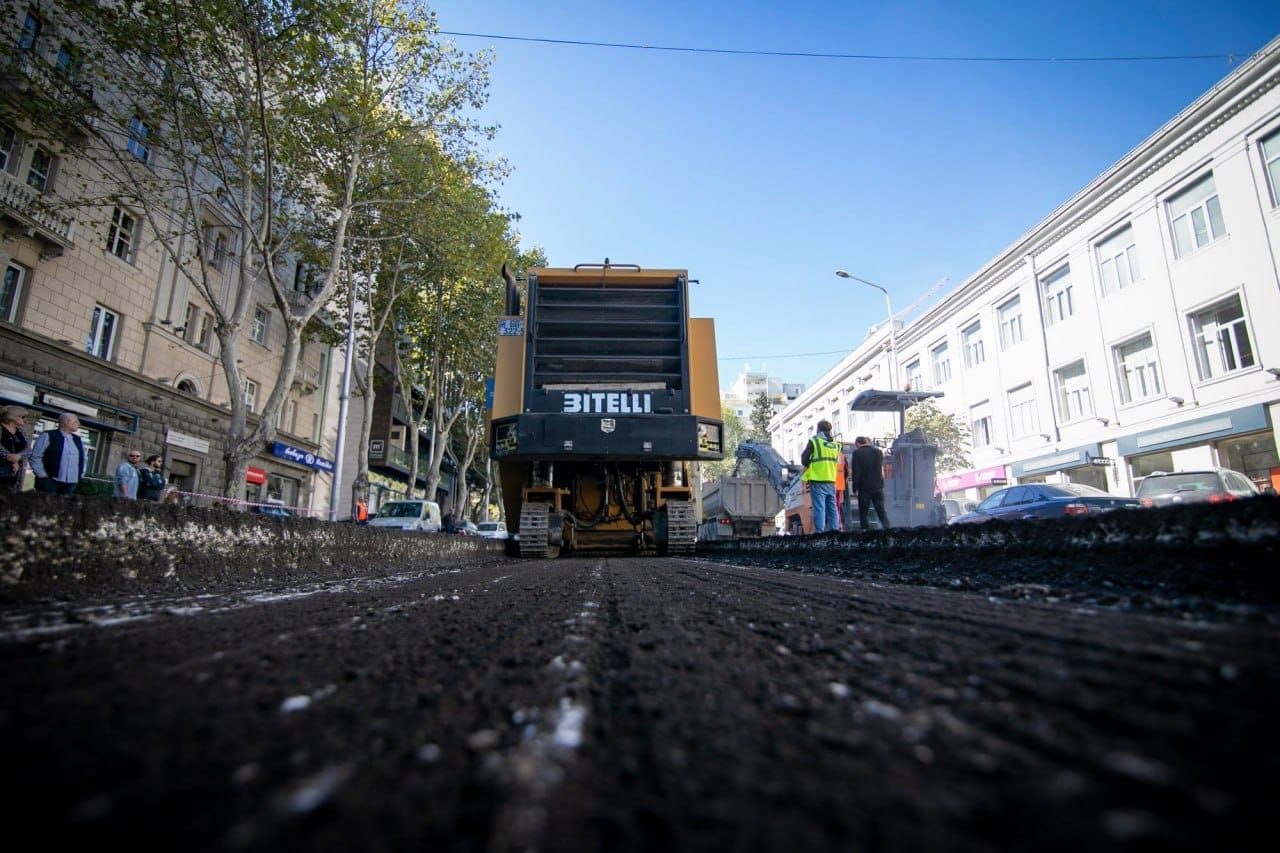
The problem
Every year thousands of tonnes of asphalt pavement are removed during repairs and sent to landfill or stored without being reused.
Conventional return of RAP into the mixture usually reduces the strength, the adhesion and the durability of the road.
The result: repeat repairs within just 1–2 seasons and an additional burden on natural resources.
The Veleton solution
Veleton offers a rejuvenating additive for RAP that restores the plastic, rheological and adhesive properties of aged bitumen. The technology makes it possible to add up to 30% milled material (RAP) without losing the engineering properties of the pavement. The rejuvenator is added during production of the mixture itself, requires no additional equipment and is compatible with all types of bitumen.
Recycling today is not just an engineering technology but part of the economic and environmental strategy of states. In most EBRD, ADB and World Bank programmes, road recycling is treated as an element of green infrastructure: it reduces the need to extract aggregates, cuts CO₂ emissions and allows budget resources to be used more efficiently.
For contractors this means a lower production cost; for the state, an instrument of budget stability and of meeting commitments under international agreements on climate neutrality.
Veleton integrates recycling into the road production system as a technology that delivers not only savings but full compliance with engineering standards. Our goal is to make the reuse of asphalt the norm in state and private road projects, not the exception.
Key effects
Quality without compromise
Asphalt with RAP and the Veleton rejuvenator shows the same R₀/R₂₀, water resistance and rutting resistance values as a mixture on “fresh” bitumen. NTU testing (Kyiv, 2024) confirmed a rut depth of ≤1.5 mm over 20,000 passes of the Hamburg wheel.
Flexible mix designs
It allows both milled asphalt and reclaimed mixtures of different ages to be used. The optimal RAP share is determined after a laboratory test (usually 20–50%).
Simple to implement
The solution fits into the standard production cycle of the asphalt plant without changing the mix design. A Veleton technologist controls the dosing and the mixing parameters on site.
Our solutions make it possible to reach these figures
| Indicator | Conventional RAP | RAP + Veleton |
|---|---|---|
| IndicatorRAP share in the mixture | Conventional RAPup to 15% | RAP + Veletonup to 30% |
| IndicatorRut depth (20,000 passes) | Conventional RAP3.8–4.5 mm | RAP + Veleton≤1.5 mm |
| IndicatorWater resistance, % | Conventional RAP70–75 | RAP + Veleton≥95 |
| IndicatorReduction in energy consumption | Conventional RAP- | RAP + VeletonUp to 10% |
| IndicatorCO2 emissions | Conventional RAP100% | RAP + Veleton~80–85% |
Economic effect
Budget savings
Replacing up to 30% of primary materials reduces the cost of the mixture by 10–15% on every kilometre of road. For the state this means a direct budget saving with no loss of quality.
Less waste
Every 1 km of road with RAP saves up to 250 tonnes of aggregates and cuts CO₂ emissions by 8–10%. This supports compliance with the environmental requirements of the EBRD and the ADB and with ESG principles.
Lower repair frequency
Because adhesion and strength are restored, roads with RAP + Veleton withstand 3× more load than roads built with conventional recycling.
ROI for the state
The service life of the road stays at 3–4× the standard cycle.
Budget savings of up to 15% on materials and transport.
Lower volumes of disposal and less pressure on quarries.
Compliance with EBRD and ADB standards and with ESG policies.
The problem
Modern road construction faces the challenge of reducing its carbon footprint, its energy consumption and its impact on the environment.
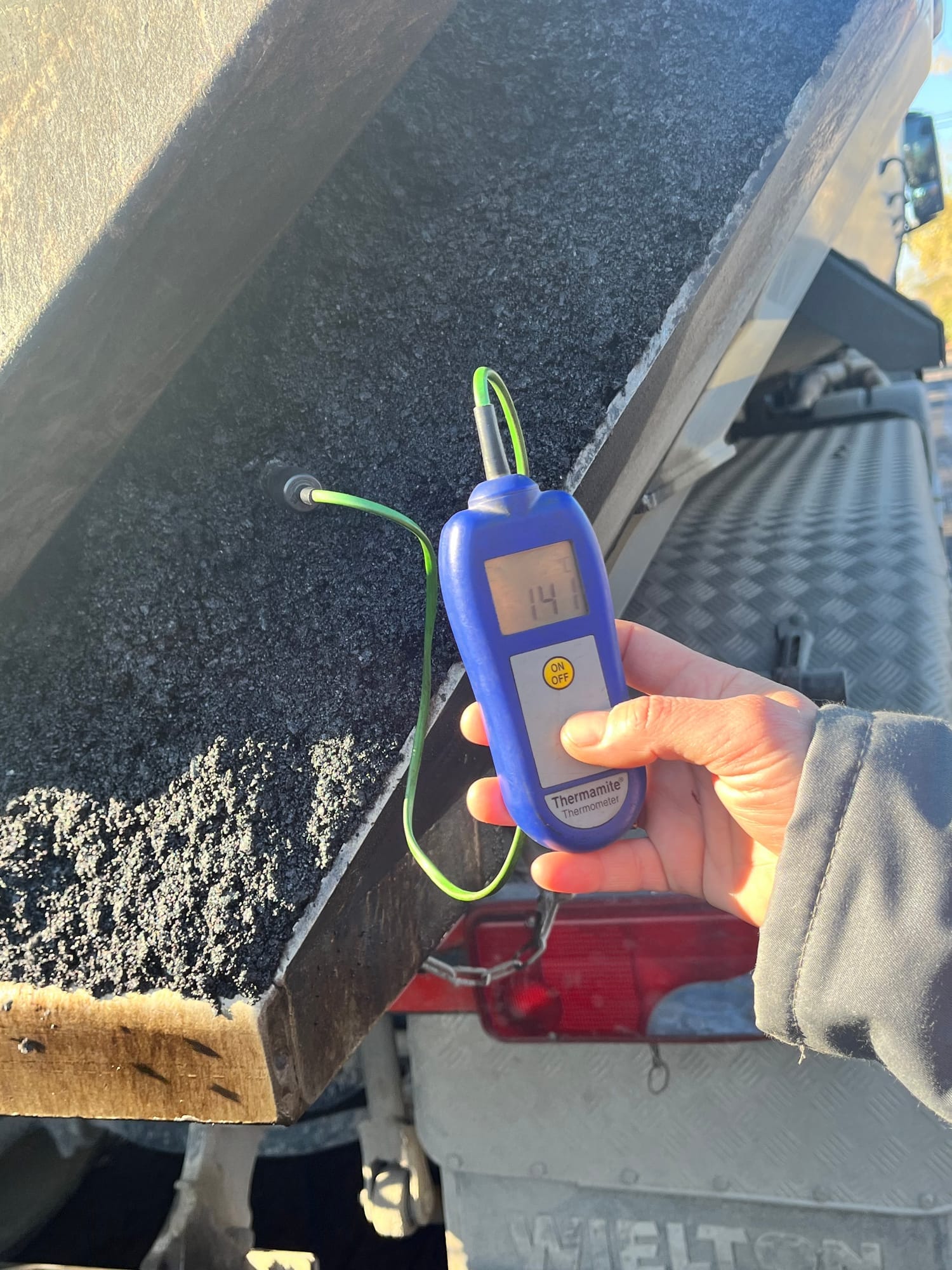
Producing conventional asphalt mixtures requires temperatures of up to 180 °C, which means significant fuel consumption, CO₂ emissions, overheating of the bitumen and premature ageing of the mixture.
High temperatures also limit the paving season and create hazardous working conditions for operators and road crews.
The Veleton solution
The Veleton™ energy-saving additive is a special bitumen modifier intended for producing warm asphalt mixtures (Warm Mix Asphalt).
Under standard conditions the additive is dosed at ≈ 1% of the bitumen mass and is introduced directly into the bitumen at the asphalt plant at 140–150 °C, 30–60 minutes before it is mixed with the mineral materials.
The result is the ability to produce, transport and lay asphalt mixtures at reduced process temperatures while retaining the required physical, mechanical and performance characteristics of the asphalt concrete.
Technical results
A 20–30 °C reduction in the paving temperature, which allows work at 110–120 °C for ordinary asphalt mixtures and at 135–140 °C for polymer-modified mixtures (in line with ST RK 1223-2019 and ST RK 2373-2019, Annex “V”).
Higher density and water resistance: the air void content falls by a factor of 1.5–2, which improves rutting resistance and crack resistance.
Better adhesion of the bitumen to the mineral materials, reducing the risk of delamination.
More time for transporting and compacting the mixture, extending the paving season in cold regions.
Faster and easier compaction: less time spent paving and better surface quality.
Economic effect
20–30% fuel savings at the production stage, which directly reduces CO₂ emissions;
3–5% lower bitumen consumption in the batch;
10–15% savings in time and costs during paving thanks to easier compaction;
3–8% savings on the cost of the mixture, since there is no risk of premature cooling;
2–3× fewer warranty repairs across the life cycle of the road.
The result is a lower cost of operation and higher budget efficiency, with no need for additional equipment.
Long-term benefit
Using Veleton™ energy-saving technologies allows states and companies to meet environmental targets, cut emissions and comply with EBRD and ADB standards for sustainable infrastructure development.
Order the Veleton start-up audit: you will receive a thorough production audit, an analysis of the incoming materials, mix design recommendations and an implementation roadmap. No risk. No unnecessary cost.