
In Argentina, Chile, and much of Latin America, road infrastructure development has been a consistent priority in recent years. It has improved connectivity, supported economic growth, and strengthened territorial integration.
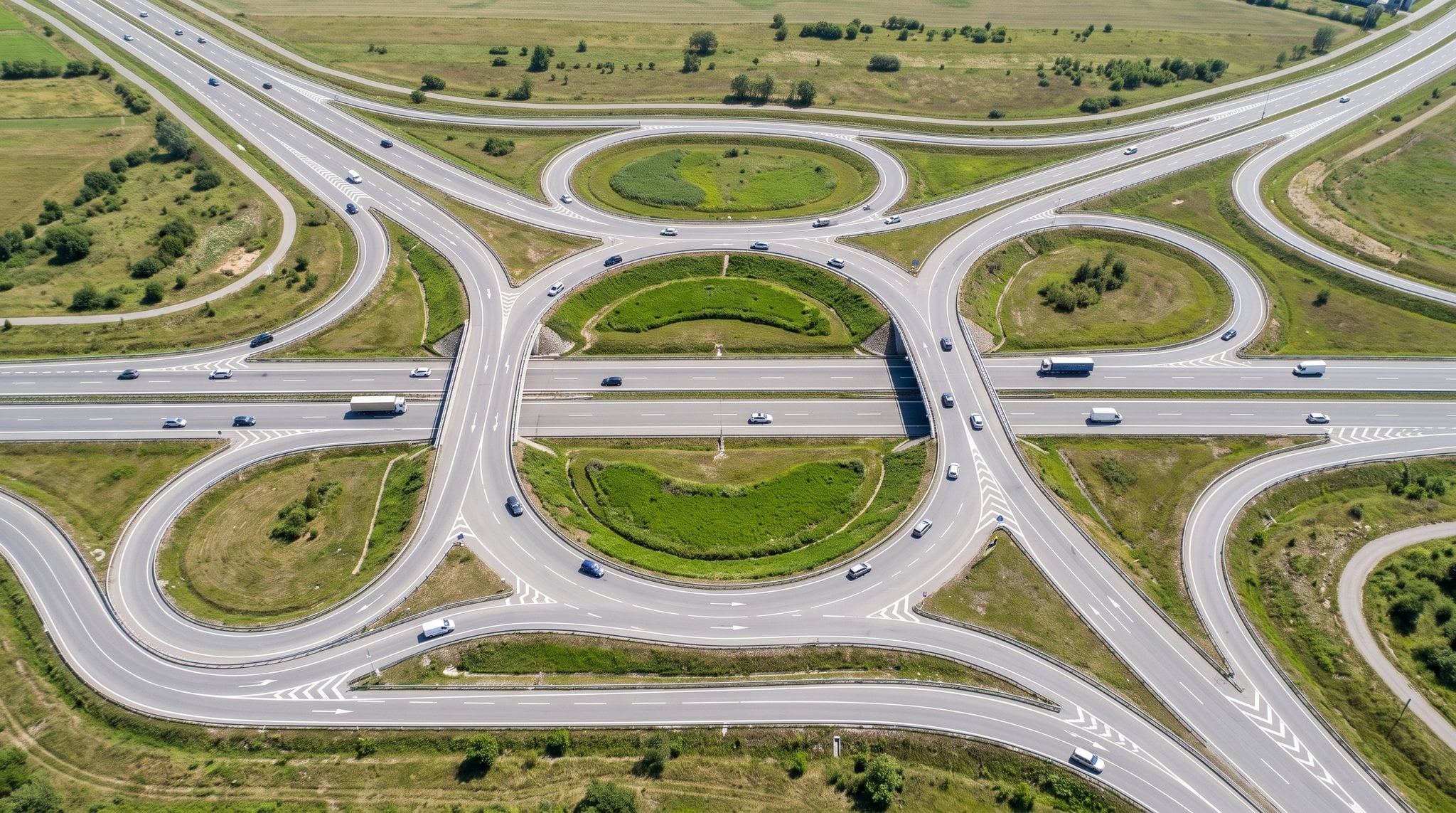
Alongside these advances, however, a growing challenge has emerged for public authorities responsible for road networks: how to ensure that roads maintain their technical and functional performance throughout their intended service life, especially in a context of increasing traffic, demanding climate conditions, and public budgets that must be managed responsibly.
A Gap That Calls for Rethinking the Approach
Multiple international studies indicate that Latin America faces a structural investment gap in infrastructure compared to other regions, forcing governments to carefully prioritize where and how resources are allocated.
The region needs to significantly increase infrastructure investment. Research by the Inter-American Development Bank (IDB) suggests raising it to 3.12% of GDP, an increase of more than 70% over previous averages, to achieve more resilient infrastructure.
This context does not reflect a lack of technical capacity or institutional commitment. Rather, it highlights the need to optimize every design, material, and execution decision so that initial investments deliver maximum long-term value.

Current Pressures on the Road Network
In both Argentina and Chile, road transport remains the backbone of freight and passenger movement. As a result, pavements are exposed to load levels far higher than those anticipated decades ago.
The growth of heavy transport, increased axle loads, and seasonal concentration of freight—particularly in agriculture, mining, and logistics—create conditions in which pavements must perform consistently under increasingly demanding stresses.
Climate adds another layer of complexity.
High summer temperatures across large areas of Argentina, as well as daily and seasonal thermal variations in many regions of Chile, directly affect asphalt behavior by raising pavement temperatures and altering mechanical properties.
Material Performance as Part of the Discussion
Bituminous binder remains the central component of flexible pavements. However, its composition has changed over time due to the evolution of oil refining processes, which now prioritize extracting high-value components for other industrial uses.
As a result, modern bitumen often has a lower softening point and a much lower capacity for modification, making it more sensitive to deformation under high temperatures and repeated loads.
This is not a system failure, but a known technical condition that must be explicitly considered in modern road planning.
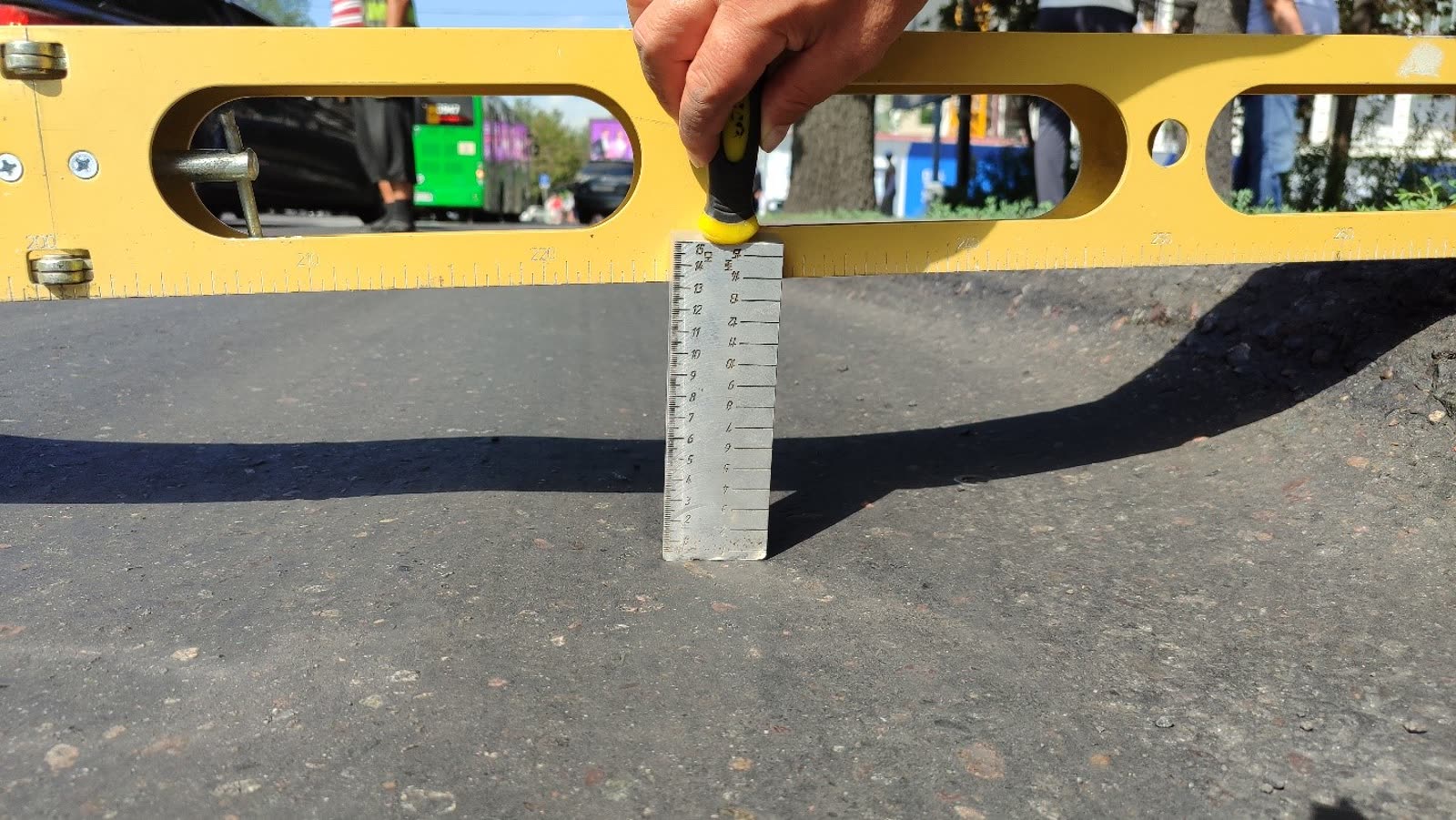
Integrating Durability into Budget Planning
In this context, incorporating polymer additives into asphalt mix design has become a technical tool to improve pavement performance under real service conditions.
Polymers help restore key properties of the bituminous binder, such as elasticity, resistance to permanent deformation, and durability under thermal and load cycles. In high-demand corridors, this can translate into extending pavement service life by a factor of three to four.
International technical references, including those from the World Road Association (PIARC), emphasize the importance of designing infrastructure based on full life-cycle performance rather than initial cost alone.
From this perspective, budgeting for higher-performance materials from the outset does not necessarily mean higher spending, but rather a more efficient allocation of resources over time.
Beyond design and materials, experience consistently shows that final pavement performance depends heavily on proper execution at both plant and site levels.
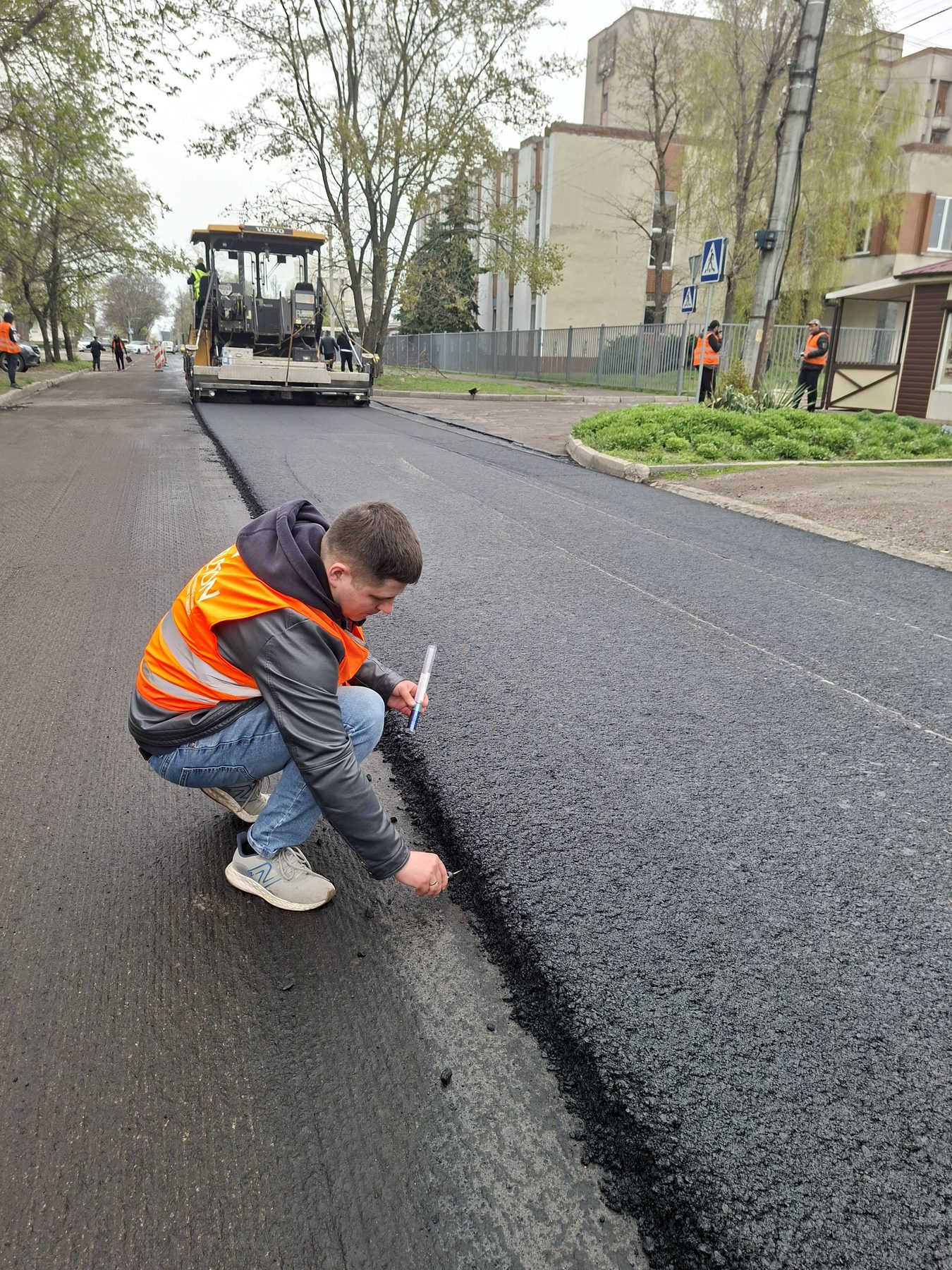
Technical support from specialized engineers is essential to adjust production parameters, control temperatures, ensure uniform additive distribution, and verify that laying and compaction processes align with real project conditions.
In this process, the active involvement of technologist engineers from material manufacturers and suppliers—including polymer additive developers—is particularly important. Their participation during production and paving stages helps reduce technological risks, improve process stability, and ensure that design solutions translate into actual field performance.
At VELETON, we work with solutions that extend road service life by 3–4 times by combining higher-performance materials with full on-site technical support.
A Space for Technical Dialogue
Argentina and Chile have strong professional communities, institutions, and regulatory frameworks to move toward road planning that is increasingly aligned with present and future conditions.
Thinking long term is no longer just good practice. It is a strategic necessity in an environment where climate pressures, traffic demands, and societal expectations are not only changing, but becoming more intense, more complex, and more unforgiving each year for infrastructure that was not designed to withstand them.
By Vadym Moroz. First published on LinkedIn on 5 February 2026.