Examples of the active use of dry-add additives: Turkey, Georgia, Kazakhstan and Ukraine. Economic and time costs, the conclusion and the summing up.
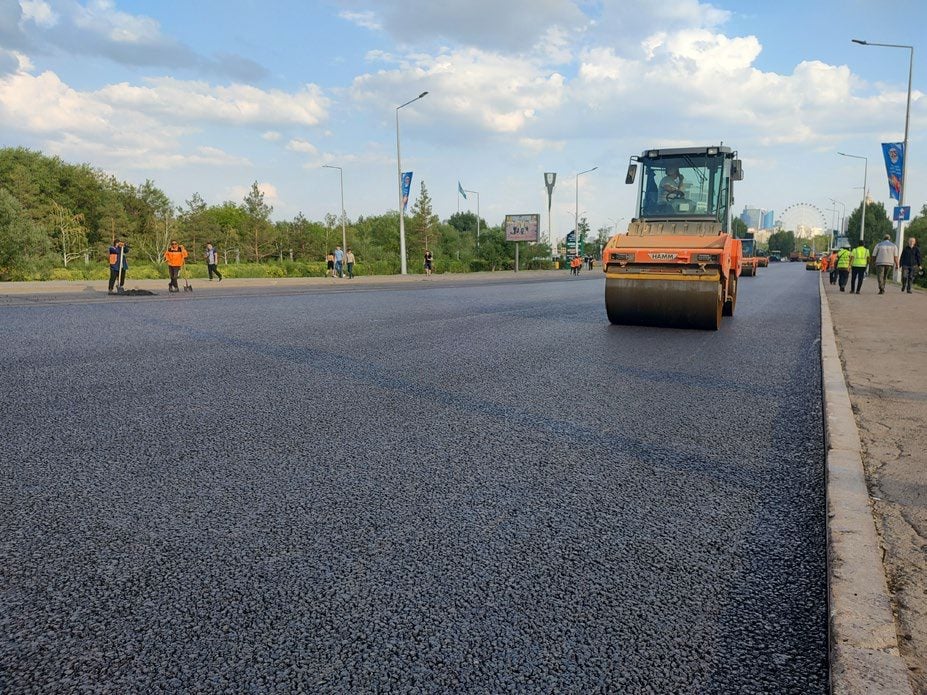
Examples of the active use of dry-add additives
Turkey, the D-100 motorway, the Istanbul — Izmit section
On this section the technology of direct (dry) addition of the polymer additive into the asphalt mixer without prior modification of the bitumen was used. This made it possible to:
- Reduce rut formation at an air temperature of +45 °C to less than 2 mm (on the results of dynamic testing);
- Raise the shear strength of the pavement by 60–70% compared with sections where conventional bitumen modification was used;
- Save 7 000–9 000 euros a week through reduced energy consumption and the elimination of the bitumen homogenisation stage.
The technology was delivered by one of the leading contractors in Turkey and approved by the national road laboratory. The experience confirmed that it applies in regions with increased temperature loading and high traffic intensity.
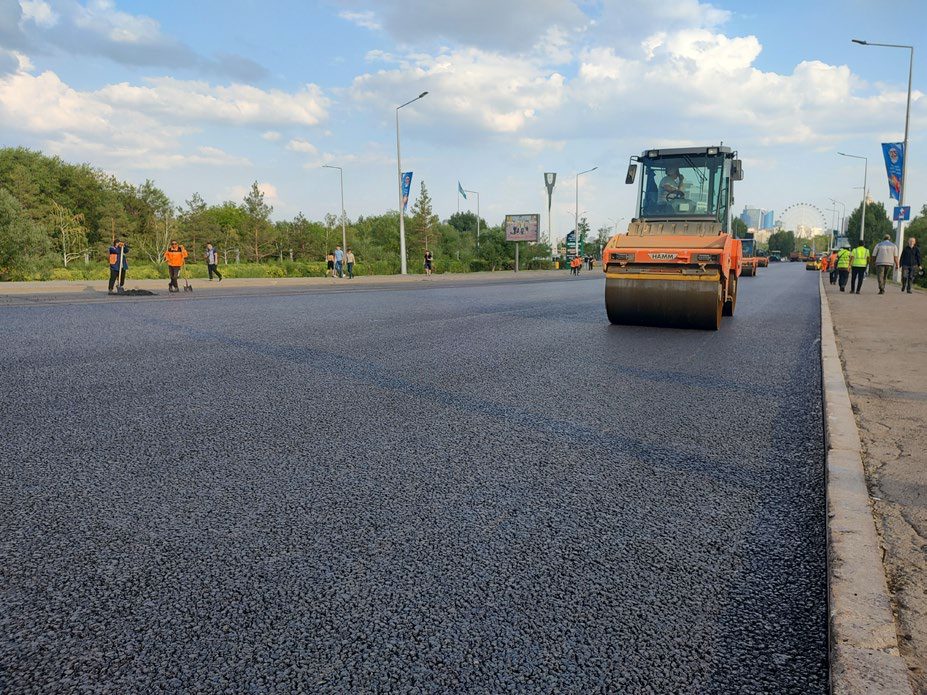
Georgia, road sections in Tbilisi, “Avlabari” square
The technology of “dry-add” of the “MPC” VELETON™ polymer additive into the asphalt mixer without prior modification of the bitumen was used, on the basis of the JEO GROUP plant. This made it possible to:
- Reduce rut formation at a surface temperature of up to +65 °C to 1.5 mm;
- Raise the shear strength of the pavement by 60–70% compared with sections where conventional bitumen modification was used;
This section, with the polymer additive applied by the “dry-add” method, has been under the observation of specialists from the Municipal laboratory for more than 3 years, with no remarks on the pavement.

“Overall, the test results complied with the specifications, and no distress or failure was recorded after 7 years of being under service. This could indicate that plastomers and the dry method can be considered as reliable alternatives for high quality asphalt pavement production.”
(source researchgate.net)
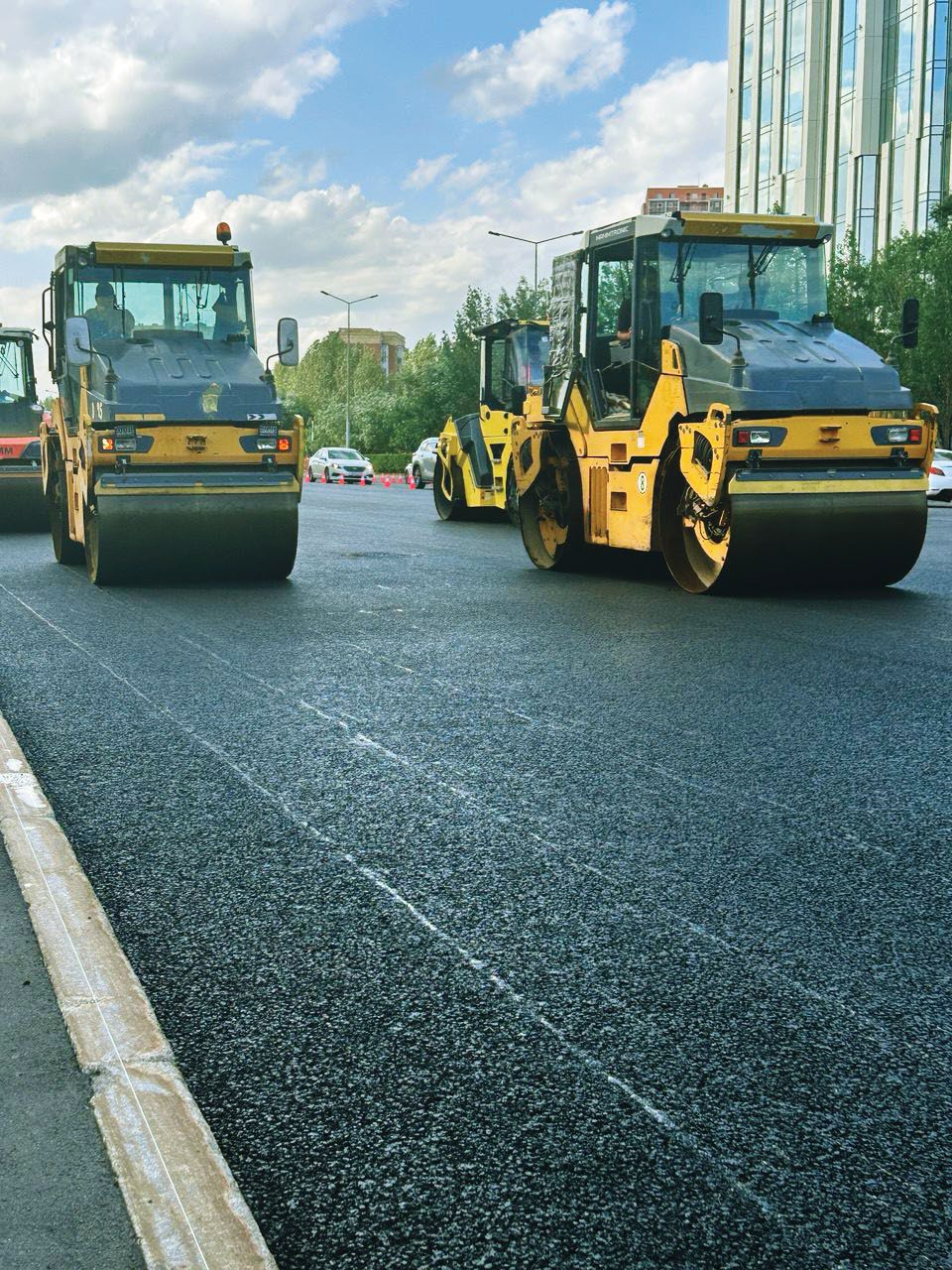
Kazakhstan, Astana, Tlendiyeva Street
On this road section the road services carried out medium repair with milling at least 2 times a year, because the left lane is a braking section for heavy goods traffic ahead of the lights and the design loads exceed the permissible ones by more than 2 times. The technology of “dry-add” of the polymer additive into the asphalt mixer without prior modification of the bitumen was used for the lower layer (dense, coarse-grained, A-40) and the upper layer (dense, SMA-20). This made it possible to:
- Not carry out medium repair of this section for more than two years now;
- Raise the shear strength of the pavement by 70–90% compared with sections where conventional bitumen modification was used;
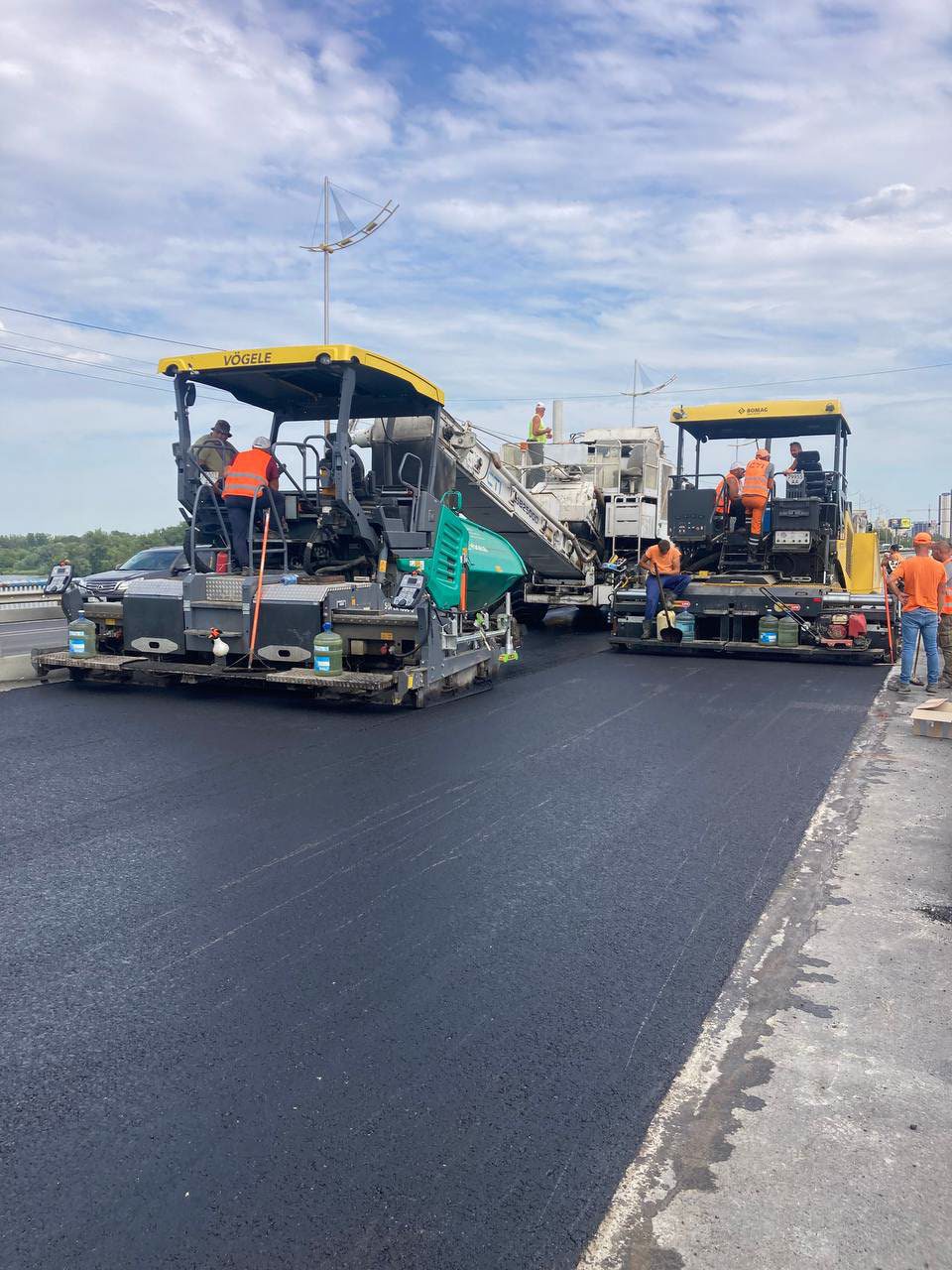
Ukraine, Kyiv, the “Northern” bridge
Previously the road services carried out routine repair of the upper layers on this site at least once a year. This is connected with the high loading on the carriageway and the increased temperature of the upper layer (in the summer period).
The technology of “dry-add” of the polymer additive into the asphalt mixer without prior modification of the bitumen was used for the upper layer (dense, fine-grained A-20).
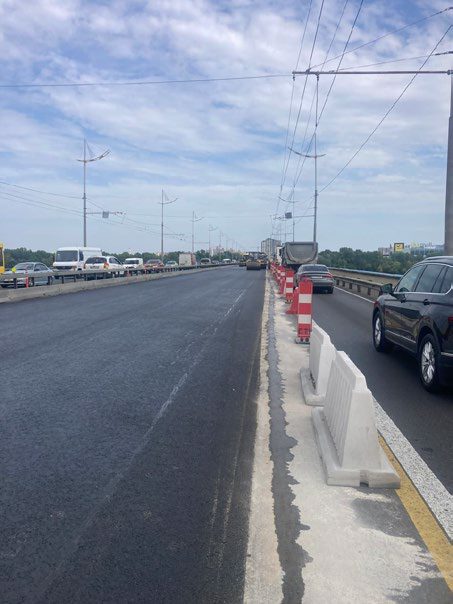
At present the site has been in service for more than three years without any visible defects and is under quarterly observation by the city's road services.
Economic and time costs
In modern road construction, economic and time costs play a key role, especially in the work of an asphalt plant. The cost of materials, energy and logistics bears directly on the profitability of the project, and delays in production can lead to paving schedules being missed and to a rise in the costs of plant and labour.
Optimising production processes, choosing economically effective modifiers and managing resources rationally make it possible to reduce the cost of the mixture without loss of quality. Under tight construction deadlines it is important to minimise the time spent heating the bitumen, dosing the components and transporting the asphalt concrete, so as to secure its laying in the optimal temperature regime and to avoid overconsumption of materials.
1. Energy consumption and the modification technology
Modification of bitumen with SBS polymer or a similar one. When SBS polymer (or a similar one) is used, the bitumen is first heated to 180–190 °C (sometimes higher) and the polymer is introduced in mixing plant. This calls for significant energy consumption to heat the equipment (the reactor, the mixers, the bitumen storage) and to hold the high temperature throughout the modification process. Additional time and energy are also often required to cross-link (homogenise) the SBS with the bitumen. The polymer-modified bitumen (PMB) thus obtained then has to be stored at raised temperature, which continues to “consume” energy and creates a risk of thermo-oxidative degradation of the polymer during a long hold.
“Dry” modification of the asphalt mixture. With “dry-add” the polymer (in granule form) is added directly into the mixer during production of the asphalt mixture, together with the mineral materials. The temperature of the bitumen does not change relative to ordinary asphalt (without polymers) and is around 155–160 °C, and no separate process of homogenising the bitumen with the polymer is required, since the “dry-add” polymer additive is mixed evenly through the asphalt mixture, melts on contact with the heated stone materials, and then binds all the components of the asphalt mixture to one another.
This has a very positive effect on the properties of the bitumen, since no oxidative or thermo-destructive processes take place, and the aromatic hydrocarbons remain in the composition of the bitumen rather than “burning off”, as they do during modification with additives of the SBS type. This makes it possible to preserve the ductility and the plasticity of the bitumen.
From the energy point of view there is no additional cycle of high-temperature mixing of the bitumen with the polymer. The total outlay on holding temperatures and on mixing is therefore significantly lower than in the classic PMB variant.
2. Time costs
Modification of bitumen with SBS polymer or a similar one. A separate stage is needed at the plant (or within an external installation) to prepare the PMB: heating the bitumen (4-5 hours), dosing, homogenisation (6-8 hours), holding/thermal stabilisation (4-6 hours), quality analysis. All these actions lengthen the technological cycle by no less than 8-12 hours and require exceptionally highly qualified staff. If the PMB is stored badly (the temperature regime not observed), separation and loss of properties are possible.
“Dry” modification of the asphalt mixture. In this technology the modification stage is built directly into the asphalt production process. The polymer is introduced into the mixture at the same time as the mineral components (the coarse aggregate and the filler) by means of a special high-precision doser. This makes it possible to do without a separate stage of pre-mixing the polymer with the bitumen. This approach answers the current requirements of the road construction industry, rests on modern technological solutions, excludes the influence of the human factor and reduces the risk of errors during modification. As a result, the process becomes more effective, the time and financial costs of modification are eliminated, and quality control becomes more stable and predictable.
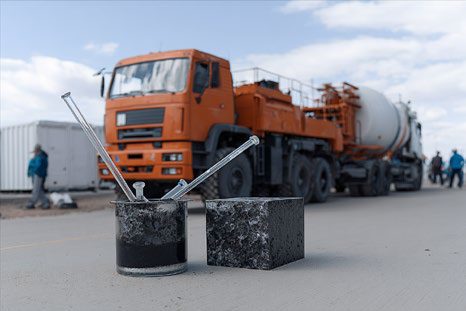
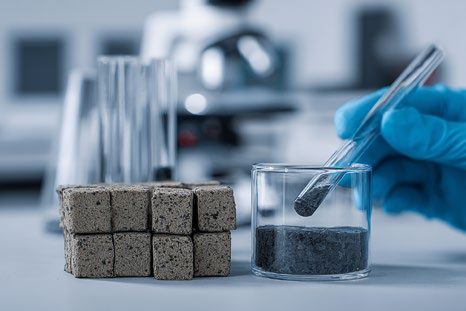
“The dry process modification is characterized by simplicity, flexibility, low energy consumption, and low pollution, making it an ideal choice in pavement repair engineering.”
(source sciencedirect.com)
Conclusion
At large-scale production (several hundred or thousand tonnes of asphalt concrete a day) the difference in energy consumption between modifying the bitumen (with additives of the SBS type or others) and “dry-add” of the polymer at one plant can reach 9,000 - 11,000 dollars a month, which over a construction season turns into a significant sum.
Beyond that, “dry” modification of the asphalt mixture, in which granulated additives are introduced directly into the mixer together with the mineral materials and the bitumen, makes it possible to simplify the production process at asphalt plants considerably. This approach removes the need for a separate stage of preparing modified bitumen, which in turn does away with the cost of additional equipment for introducing, dosing and homogenising the polymer in the bitumen. The need for prolonged mixing and holding of the bitumen at high temperature to dissolve the additive falls away.
This makes it possible to save a significant amount of time and to reduce operating costs. The plant does not need to keep separate bitumen tanks in reserve for different types of binder (ordinary and modified), which is particularly relevant for small and mobile production units. Energy consumption falls, and material losses in changing from one batch to another are reduced.
Applying the “dry-add” method also tells positively on the laying properties of the asphalt mixture. Such a material compacts more easily under standard technological regimes thanks to the even distribution of the modifier right through the body of the mixture. This reduces the risk of voids, tears and uncompacted zones forming in the finished pavement, which bears directly on the durability and the strength of the road.
Beyond that, “dry” modification reduces the likelihood of technological errors which often arise when modified bitumen is prepared at the plant. In the conventional technology, problems such as these are possible:
- incomplete or uneven dissolution of the polymer in the bitumen;
- overheating and thermal destruction of the polymer structure;
- separation and instability of the resulting binder during storage;
- confusion in working with several types of bitumen.
With the “dry-add” method these risks are reduced to a minimum, since the modification takes place directly in the process of producing the asphalt mixture, without complex operations on the bitumen facility. This makes the technology more stable, more reproducible and more convenient for plants.
Summing up
The question of modifying bitumens and asphalt mixtures is becoming ever more pressing, since not all bitumens have a sufficient capacity to be modified with polymers or the necessary quality. This pushes producers to look for alternative methods of significantly improving the properties of asphalt concrete, taking the particulars of the components of the mixture into account. One of the proven and effective solutions is adding polymer additives directly into the asphalt mixer.
This method has a number of substantial advantages over conventional modification of bitumen with polymers. First, the quality of the modification becomes independent of the technology by which the bitumen was produced, which matters particularly when working with distillation bitumens that interact poorly with polymers. Second, time and energy resources are saved, since the need for prolonged heating and homogenisation of polymer-modified bitumen is eliminated. Third, the risk of thermal ageing of the bitumen falls, since the temperature to which it is heated does not exceed the working values in the asphalt mixer. As a result, producers obtain more predictable and stable properties of the asphalt mixture, which simplifies quality control in production and reduces the risk of pavement defects arising.
With the active support of leading producers of asphalt mixtures, of specialist research institutes and of the engineering community, the “dry-add” technology for polymer additives has not merely proved itself but has established itself as a full and highly effective method of bitumen modification — one that does not yield to, and on a number of key parameters surpasses, the classic bitumen modification technology. That is why it is applied ever more widely as the optimal solution, answering the industry's current requirements for quality, technological soundness and economic effectiveness.
“The dry process modification is characterized by simplicity, flexibility, low energy consumption, and low pollution, making it an ideal choice in pavement repair engineering.”
(source sciencedirect.com)
Want to know more – the co-authors of the scientific and practical work: